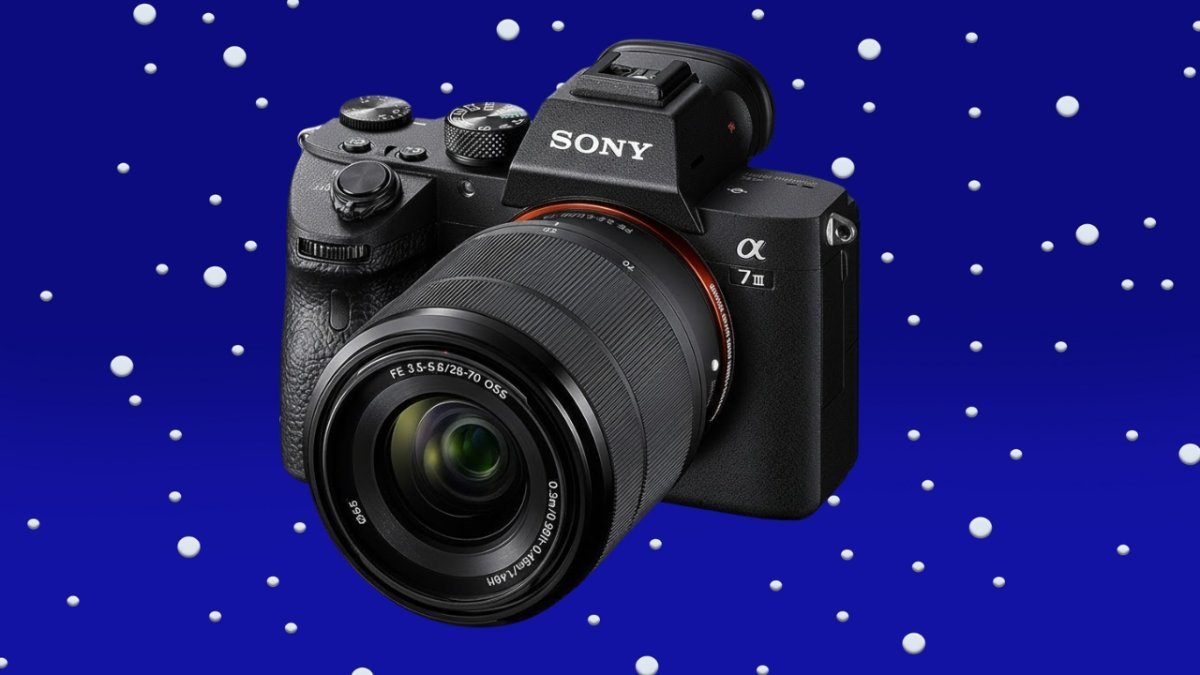
The Sony Alpha A7 III (also known as ILCE-7M3) is one of those rare cameras that stays relevant long after launch. It combines a 24.2MP full-frame sensor, fast and reliable autofocus, 4K video, in-body stabilisation, and excellent battery life in a compact, weather-resistant body. Even years later, it remains a favourite among enthusiasts, hybrid shooters, wedding photographers, and content creators who want serious performance without paying current-flagship prices.
Key Specifications at a Glance
Sony Alpha A7 III 24.2MP full-frame back-illuminated CMOS sensor
BIONZ X image processor with front-end LSI
ISO 100–51,200 (expandable further for stills)
5-axis in-body image stabilisation (IBIS)
693 phase-detect AF points + 425 contrast-detect AF points
Sony Alpha A7 III Continuous shooting up to 10 fps with AF/AE tracking
4K video up to 30p, Full HD up to 120p
2.36M-dot OLED EVF, 3.0-inch tilting LCD
Dual SD card slots (one UHS-II compatible)
NP-FZ100 battery with excellent endurance
Weather-resistant magnesium alloy body
These specs make it a true all-rounder – capable for stills, video, and mixed hybrid work.
Design & Handling: Practical and Professional
The Sony Alpha A7 III uses Sony’s familiar A7-series body design, but refined. The grip is deeper and more comfortable than earlier generations, making it easier to use with larger and heavier lenses. The body is built from magnesium alloy, with sealing against dust and moisture, so it feels robust enough for professional use in less-than-ideal weather.
Buttons and dials are plentiful and highly customisable. There’s a dedicated AF joystick on the back for quickly moving focus points, and a useful “My Menu” section to group your most-used settings. Dual card slots add peace of mind for professional work – you can back up photos as you shoot, or separate RAW and JPEG files.
Overall, the handling feels very “workhorse”: not flashy, but extremely functional and comfortable for full days of shooting.
Image Quality: 24MP Sweet Spot
The 24.2MP back-illuminated full-frame sensor is a major strength. It hits a sweet spot between resolution, low-light performance and file size.
In real-world use you get:
Excellent dynamic range, allowing deep shadow recovery when editing RAW files.
Very good high-ISO performance, with clean results at ISO 6400 and even 12,800 when processed carefully.
Natural-looking colour, plus Sony’s Creative Styles and Picture Profiles for tuning the look in-camera.
For portraits, weddings, events, landscapes and product work, 24MP is more than enough for large prints and decent cropping while keeping file sizes manageable and workflow smooth.
Autofocus & Speed: Fast, Intelligent and Reliable
Autofocus performance is one of the big reasons the Sony Alpha A7 III became so popular.
It features:
693 phase-detection points covering most of the frame
425 contrast-detection points for extra accuracy
Eye AF that locks onto a subject’s eye and tracks it reliably
In practice, this means you can shoot moving subjects – kids, brides walking down the aisle, dancers, street moments – and the camera does an excellent job of keeping them sharp. Eye AF in particular is a game-changer for portrait and wedding work, as it removes much of the stress of manually placing focus points on the eye.
With up to 10 fps continuous shooting (with AF/AE tracking), it is more than capable for casual sports, wildlife, and fast event work when paired with suitable lenses.
Video Features: Solid 4K for Hybrid Shooters
While newer cameras have pushed video features further, the Sony Alpha A7 III is still a strong option for hybrid creators.
Key video capabilities:
4K UHD up to 30p, oversampled from higher resolution for sharp, detailed footage (especially at 24p).
Full HD up to 120p for smooth slow-motion sequences.
Picture Profiles including S-Log2, S-Log3, and HLG, giving more dynamic range and flexibility in colour grading.
Clean HDMI output, microphone input, and headphone jack for audio monitoring.
For YouTube, weddings, interviews, corporate films, and general content creation, the A7 III delivers quality results. If you don’t specifically need 10-bit recording or very high-frame-rate 4K, it will handle most video tasks comfortably.
Stabilisation, Battery Life & Connectivity
The Sony Alpha A7 III includes 5-axis in-body image stabilisation, which compensates for camera shake and helps you shoot at slower shutter speeds with handheld stills and smoother handheld video. It isn’t perfect in every situation, but it gives a noticeable advantage compared to unstabilised bodies.
Battery life is another major win. The Sony Alpha A7 III NP-FZ100 battery is significantly larger than older Sony batteries, and in real use many photographers comfortably get hundreds to more than a thousand shots on one charge, depending on shooting style. For a mirrorless camera, this is excellent and one of the reasons the Sony Alpha A7 III still feels very practical today.
Connectivity options include Wi-Fi, Bluetooth, and NFC for pairing with your smartphone, transferring photos, and remote control via app. Sony Alpha A7 III USB-C is present for data and in-body charging, plus there’s micro HDMI and the expected audio ports.
Strengths: Why the Sony Alpha A7 III Still Makes Sense
Balanced sensor: 24MP full-frame with great dynamic range and low-light performance.
Very capable AF system: 693 phase-detect points and dependable Eye AF for portraits and events.
Strong battery life: better endurance than many mirrorless rivals, even newer ones.
Dual card slots & solid build: suitable for professional assignments.
Versatile video: 4K, slow motion, and Log profiles for serious hybrid work.
Excellent value on the current market, especially used or discounted, compared to brand-new full-frame models.
Limitations: Where It Shows Its Age
No camera is perfect, and the Sony Alpha A7 III does show its age in a few areas:
8-bit video only: if you rely heavily on colour-grading and want maximum flexibility, newer 10-bit cameras are better.
Older menu system: powerful but can feel cluttered and a bit confusing for beginners.
Modest EVF and LCD resolution by modern standards – Sony Alpha A7 III usable, but not as crisp as newer bodies.
Some rolling shutter in 4K when doing very fast pans or shooting fast-moving subjects.
No fully articulating screen, which vloggers and solo shooters sometimes prefer.
These are not deal-breakers for many photographers, but they matter if you are comparing it against the latest generation.
Who Should Buy the Sony Alpha A7 III?
The Sony Alpha A7 III is a great match if you:
Want your first full-frame mirrorless with room to grow.
Shoot weddings, events, portraits, travel, documentary, or general commercial work.
Need a camera that does both photos and video well.
Value Sony Alpha A7 III battery life, dual card slots, and reliable autofocus more than having the absolute latest specs.
You might be better served by a newer model if you:
Need 10-bit 4K, higher frame rates, or advanced video features for intensive filmmaking.
Prefer higher resolutions (e.g., 33MP, 45MP+) for heavy cropping or large prints.
Strongly want a fully articulating screen and updated menus.
Final Verdict: A Modern Classic Workhorse
The Sony Alpha A7 III is a modern classic. It brought high-end features down to a more accessible level and set the standard for what a full-frame mirrorless all-rounder should be. Even today, it offers:
Excellent image quality
Strong autofocus
Solid 4K video
Great battery life
Dual card slots and a robust body
If you’re Sony Alpha A7 III stepping into full-frame for the first time, or upgrading from an older DSLR or mirrorless camera, and you don’t absolutely need the newest video formats and features, the Sony Alpha A7 III is still a smart, reliable and highly capable choice that can handle serious work for years to come.

Comments (0)
Leave a Comment
No comments yet. Be the first to comment!