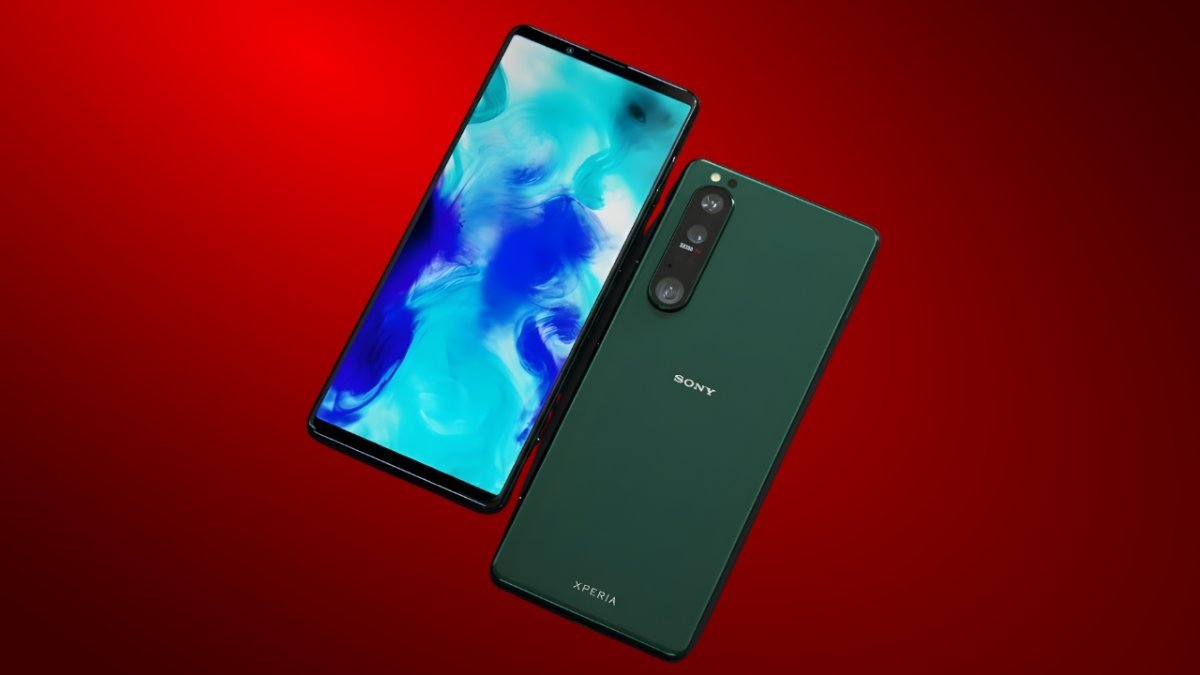
The Sony Xperia 1 III (pronounced “Xperia 1 Mark 3”) is one of those rare phones that feels like it was built for a very specific type of user. Instead of chasing flashy megapixel numbers or gimmicks, Sony Xperia 1 III, Sony Xperia 1 III Review, Xperia 1 III Camera, Sony 4K OLED Phone, Sony Flagship Smartphone, Xperia 1 III Specs focused on features that matter to creators and enthusiasts: a true 4K OLED 120Hz display, Alpha-inspired cameras with variable telephoto, front stereo speakers, 3.5mm headphone jack, and even a microSD card slot.
Even though it first launched as a 2021 flagship, the Xperia 1 III still stands out in 2025 because hardly any other phone offers this combination of features. Let’s break it all down, and then move to an intro to verdict, a clear final verdict, and finally a disclaimer.
Sony Xperia 1 III: Key Specifications
Display: 6.5-inch 21:9 CinemaWide 4K HDR OLED, 3840 × 1644, 120Hz refresh, 240Hz touch scanning
Processor: Qualcomm Snapdragon 888 (5 nm), Adreno 660 GPU
RAM: 12 GB LPDDR5
Storage: 256 GB or 512 GB (region-dependent), UFS 3.x, expandable via microSD up to 1 TB
Rear Cameras:
12 MP main (24 mm, f/1.7, OIS)
12 MP ultra-wide (16 mm, f/2.2)
12 MP variable telephoto (70 mm / 105 mm, f/2.3–2.8, OIS)
3D iToF sensor for depth and autofocus
Front Camera: 8 MP (24 mm)
Battery: 4500 mAh, 30 W wired fast charging, Qi wireless charging, reverse wireless charging
Audio: 3.5 mm headphone jack, front-facing stereo speakers, Hi-Res Audio (wired & wireless), Dolby Atmos, 360 Reality Audio
Build: Gorilla Glass Victus front, Gorilla Glass 6 back, aluminium frame, IP65/68 dust and water resistance
Software at launch: Android 11, officially upgradable up to Android 13 in most markets
Sony Xperia 1 III Design & Build: Tall, Slim and Very Sony
The Xperia 1 III doesn’t look like every other rounded, glossy slab. It has a very rectangular, professional look that screams “Sony”.
The 21:9 aspect ratio makes the phone tall and narrow. It’s easy to grip with one hand, but reaching the very top of the screen might need a second hand.
The glass and aluminium sandwich feels premium: Gorilla Glass Victus on the front, Gorilla Glass 6 on the back, and a sturdy aluminium frame.
The phone is slim and weighs around 186–187 grams, which is quite good considering it packs stereo speakers, a big battery and serious camera hardware.
You also get some “old-school” but extremely useful features:
A side-mounted fingerprint scanner integrated into the power button.
A dedicated two-stage camera shutter button, just like on Sony’s Alpha cameras.
A proper 3.5 mm headphone jack on a flagship phone, which is rare now.
On top of that, the Xperia 1 III is rated IP65/68 for water and dust resistance, so it can handle rain, splashes and occasional accidental drops into water (within the rated limits).
Sony Xperia 1 III Display: True 4K 120Hz OLED – Still Unique
The display is where the Xperia 1 III refuses to compromise.
Resolution: This is a 4K HDR OLED panel (3840 × 1644) in a 21:9 aspect ratio, giving insanely high pixel density. Text, icons and images look incredibly crisp.
Refresh rate: It supports 120Hz refresh and 240Hz touch sampling, making scrolling and gaming feel super responsive.
Colour and HDR: Sony Xperia 1 III brings in its expertise from its TV and cinema line. You get Creator Mode powered by CineAlta, accurate colour reproduction, and support for HDR content.
Because it’s 21:9, watching widescreen movies feels very cinematic, with minimal black bars. It’s also surprisingly nice for reading, because you see more lines of text at once.
The trade-off is obvious: driving a 4K 120Hz OLED panel is heavy on the GPU and battery. Sony uses smart tricks to scale resolution depending on content, but if you push the phone hard with gaming and HDR video at high brightness, you will feel it in battery usage and heat.
Sony Xperia 1 III Performance & Software: Snapdragon 888 with a Pro Twist
The Snapdragon 888 was a flagship chip when this phone launched, and it still holds its own for everyday use.
Day-to-Day Performance
12 GB RAM plus fast UFS storage makes app launches and multitasking quick.
The UI feels smooth at 120Hz, and general navigation is fast.
For tasks like social media, web browsing, messaging, video streaming and light to medium gaming, performance is more than enough.
Under sustained heavy gaming or long camera sessions, Snapdragon 888 is known to run warm, and the Xperia 1 III is no exception. It’s not unusable, but you will notice heat more than on newer, more efficient chips.
Software Experience
Sony Xperia 1 III software approach is quite clean:
The Sony Xperia 1 III launched with Android 11 and is officially upgradable to Android 13 in most regions.
The interface is close to stock Android, with a few Sony-specific touches like Side Sense (edge gestures), multi-window tools, and extra media features.
Sony ships dedicated “pro” apps:
Photo Pro for still photography with Alpha-style controls.
Cinema Pro for shooting video with manual settings, log profiles and cinematic frame rates.
Game Enhancer for tweaking performance, notifications and livestreaming.
It feels like a serious tool rather than a toy, especially if you enjoy learning your camera settings and experimenting with manual controls.
Sony Xperia 1 III Cameras: Triple 12MP with Variable Telephoto Magic
Sony didn’t chase huge megapixel numbers. Instead, it focused on optics, sensor quality and control.
Rear Camera Setup
12 MP main camera (24 mm, f/1.7, OIS) – large sensor, good for everyday shots.
12 MP ultra-wide (16 mm, f/2.2) – wide field of view, good for landscapes and architecture.
12 MP variable telephoto (70 mm / 105 mm, f/2.3–2.8, OIS) – this is special; the lens actually switches between two physical focal lengths.
3D iToF sensor – helps with depth mapping and fast autofocus, especially in low light.
The variable telephoto lens is one of the most unique features. Instead of using digital zoom or multiple separate tele lenses, Sony uses one periscope system that physically moves to give you 70mm and 105mm optical zoom. This is excellent for portraits and distant subjects.
Sony uses ZEISS lenses with T* coating to reduce reflections and ghosting, which helps with contrast and flare, especially at night.
Sony Xperia 1 III Image Quality
Daylight: Photos look very natural, with realistic colours and good detail. The processing is more “camera-like” and less hyper-saturated than some competitors.
Low light: The main camera handles night scenes fairly well, especially if you give it a second to focus and keep your hand steady. The variable telephoto is surprisingly usable at night too, considering it’s a tele lens.
Portraits & zoom: Portraits at 70mm or 105mm look very flattering, with natural background blur. Zoom quality is solid up to its optical ranges, and reasonable just beyond thanks to Sony’s processing.
If you enjoy manual photography, the Photo Pro app makes the Xperia 1 III feel like a tiny Alpha camera: you can tweak ISO, shutter speed, white balance, focus modes and more. If you prefer “tap and shoot” with lots of auto magic, you may find Sony’s approach a bit more subtle than other brands, but the quality is there.
Sony Xperia 1 III Front Camera
The 8 MP front camera is not a spec monster, but it’s fine for:
Selfies
Video calls
Casual vlogging in good light
It’s not the main selling point of this phone, but it gets the job done.
Sony Xperia 1 III Audio: For Headphone Lovers and Speaker Fans
Sony absolutely nails audio on the Sony Xperia 1 III.
Front-facing stereo speakers give loud, clear and directional sound. Perfect for games, movies and YouTube without blocking the speakers with your hands.
The 3.5 mm headphone jack supports Hi-Res Audio, and Sony’s audio tuning with DSEE, 360 Reality Audio and Dolby options makes this a great device for wired IEMs and studio headphones.
For wireless audio, you get support for high-quality codecs like LDAC, so good Bluetooth headphones also shine.
If you still care about proper audio hardware instead of just Bluetooth buds, this phone is a breath of fresh air.
Sony Xperia 1 III Battery & Charging: 4500 mAh with Wired & Wireless
Battery capacity is 4500 mAh, which is respectable for a slim phone with a 4K display.
With moderate use (mixed social media, browsing, some video, some photos, 120Hz on), it usually gets through a full day.
If you push 4K HDR content and heavy gaming at high brightness, you can drain it faster than some FHD+ phones – but that’s the trade-off for this kind of display.
Charging:
30 W wired fast charging using USB Power Delivery.
Qi wireless charging for convenience.
Reverse wireless charging to top up earbuds or another phone.
In 2025, 30 W is no longer “crazy fast”, but it’s enough to comfortably recharge the phone in a reasonable time while still being gentle on the battery.
Intro to Verdict: How to Think About the Sony Xperia 1 III
Before we give the final verdict, it’s helpful to frame the Sony Xperia 1 III properly.
It is not trying to be a mainstream, everyone-friendly flagship. Instead, it is:
A tool for creators and enthusiasts
A Sony Xperia 1 III that prioritises display, cameras and audio over raw spec marketing
A device that still offers things many new phones have quietly dropped: headphone jack, microSD, variable telephoto, dedicated shutter button
If you look at it as a “checklist phone” where you only care about the newest processor and fastest charging, you might feel it’s behind newer devices. But if you judge it by experience – especially for media, photography and audio – it still has a lot to offer.
Final Verdict: Sony Xperia 1 III
The Sony Xperia 1 III is a niche device, but in a good way. It is built for people who know what they want.
You’ll love it if:
You want a truly unique display: 6.5-inch 4K HDR OLED with 120Hz in a tall 21:9 format.
You care about manual camera controls and like the idea of a variable optical telephoto lens inspired by Sony’s Alpha cameras.
You are an audio enthusiast, and you still value a 3.5 mm headphone jack, front stereo speakers and high-quality wired/wireless sound.
You appreciate microSD expansion, a dedicated shutter button and a design that doesn’t look like every other phone.
Sony Xperia 1 III You should think twice if:
You want the latest and most efficient chipset; newer flagships will run cooler and faster in heavy use.
You expect ultra-fast charging like 65 W, 80 W or 100 W.
Long-term software updates beyond Android 13 are critical to you.
You prefer heavy AI processing and aggressive auto camera tricks instead of a more natural, “you-control-the-shot” style.
If you find the Sony Xperia 1 III at a good price in 2025, especially as a refurbished or discounted flagship, it is still an excellent buy for photographers, film lovers, audiophiles and fans of Sony’s design language. For a regular user who just wants the newest, simplest all-round flagship, a more recent model from any brand might be a better fit.
Disclaimer
Sony Xperia 1 III All specifications and features described for the Sony Xperia 1 III are based on the official configuration and widely available information about the device as released globally. Some details (such as storage variants or available colours) may vary by region and carrier.
Actual performance, battery life, charging speed and camera results will depend on individual usage patterns, installed apps, network conditions and software version.
Software update availability (for example Android 12 or Android 13) can differ by country, carrier and time, and may change according to Sony’s policies.
This article is for information and educational purposes only and should not be treated as financial or purchase advice. Always check the latest specifications, prices, stock status and update information from official or trusted retailers before making a buying decision.

Comments (0)
Leave a Comment
No comments yet. Be the first to comment!